

Wooden Frog Guiro Large — Thetazen Hand Carved Croaking Frog Percussion Instrument with Striker
Dimensions: 5.5" width x 3.25" height
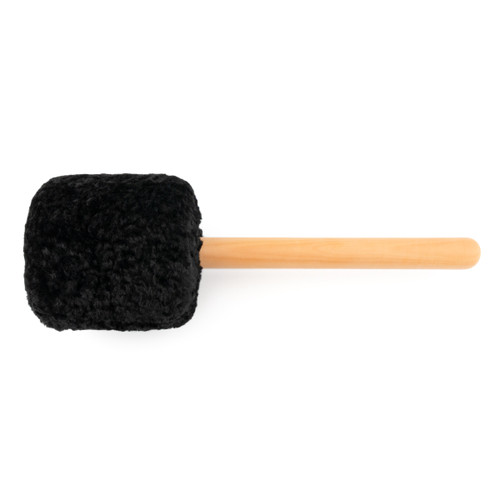
Striker: 6.5" length
Weight: 260 grams
The wooden frog guiro belongs to a family of scraped percussion instruments known as güiros, whose origins trace back to Latin America and the Caribbean, where hollowed gourds were notched and scraped to keep rhythm in traditional music. Over time, the form traveled and was reinterpreted across many cultures, and the carved wooden frog became one of its most beloved variations throughout Southeast Asia. Hand carved from a single piece of mango wood, the frog is shaped with a ridged back and a hollow body, and when a wooden striker is run along the ridges it produces a rolling croak that mimics the call of a real frog. Beyond their use as instruments, these carved frogs have long been regarded as charming symbols of good fortune, prosperity, and the coming of rain.
This large Thetazen Wood Frog Guiro brings a deeper, fuller voice than its smaller counterparts. The bigger hollow body resonates at a lower pitch, producing a slower, throatier croak with more weight and sustain behind it, closer to the call of a full-grown bullfrog. It is played in two simple ways: tap the striker against the mouth or body for a sharp wooden knock, then drag it back along the ridged spine to release that signature descending croak. The larger size makes it a standout piece for sound therapy and meditation, nature-themed soundscapes, group rhythm play, classroom and children's music, or simply as a decorative carved centerpiece with a voice of its own. The striker is included and stores neatly in the frog's mouth when not in use.
Please note that because this is a handmade product, small differences will occur from frog to frog, including slight variations in size, pitch, tone, and color, as well as natural variation in the wood grain and finish.
The photos and audio samples shown are representative examples of this instrument and not the exact instrument you will receive. These small differences are not flaws but the natural signature of a handcrafted instrument, and no two are exactly alike.